How a TRT Clinic in La Jolla Supports Overall Wellness Goals

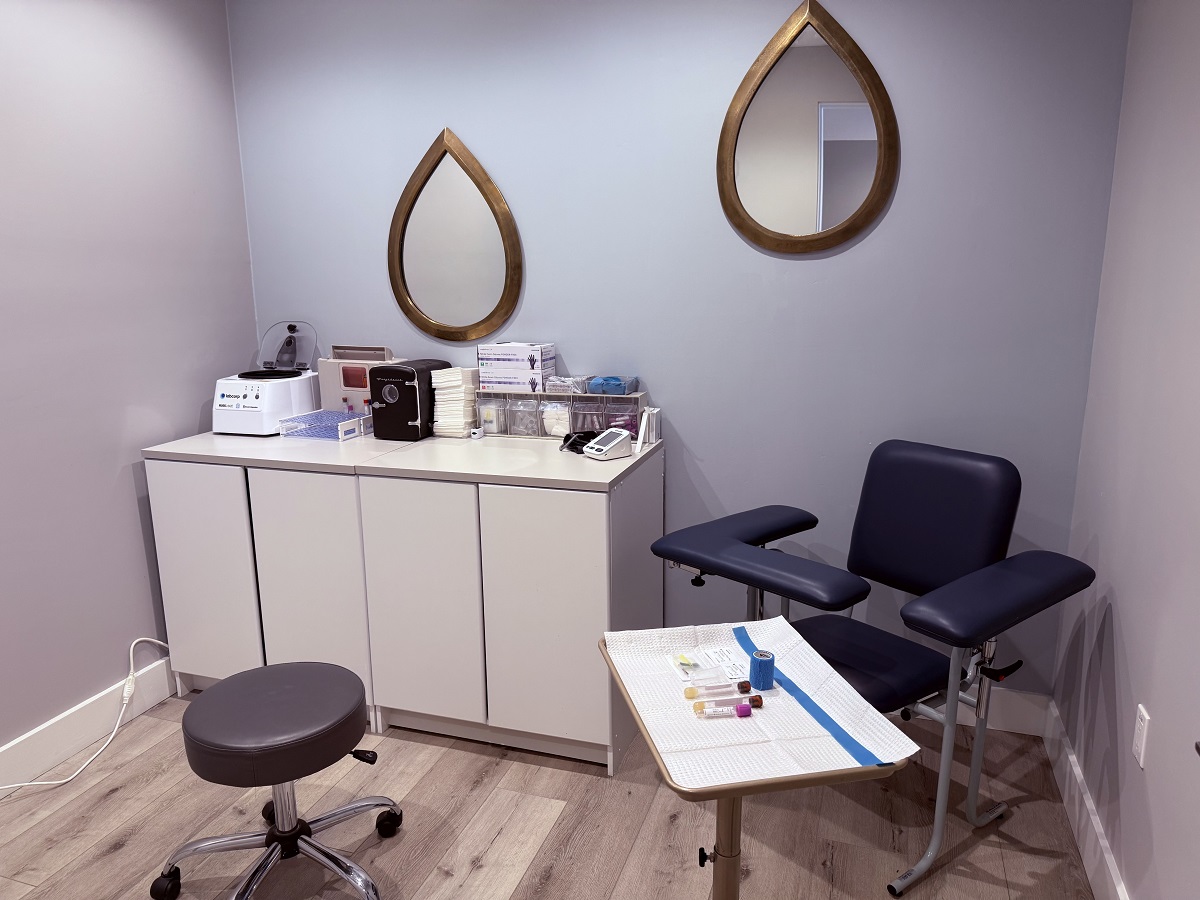

Testosterone replacement therapy tends to get flattened into a single idea, usually energy or libido. In practice, it is rarely that simple. The men who walk into a TRT clinic are often not chasing one isolated outcome. They are trying to reclaim a version of themselves that feels physically capable, mentally steady, and engaged with daily life again. A good TRT clinic in La Jolla understands that reality. Treatment is not just about raising a lab value. It is about fitting hormone care into a broader plan for strength, sleep, cognition, body composition, cardiovascular health, and long-term quality of life.
That distinction matters because low testosterone symptoms overlap with almost everything that can wear a person down in midlife. Poor sleep can cause fatigue, low drive, and brain fog. High stress can blunt motivation and erode recovery from exercise. Weight gain, especially around the abdomen, can shift hormones and worsen insulin sensitivity. Alcohol use, under-eating, overtraining, certain medications, and untreated sleep apnea can all muddy the picture. The best clinics do not rush past that complexity. They sort through it carefully.
La Jolla is an interesting setting for this kind of care. Many patients in coastal communities are already invested in wellness. They surf, lift weights, hike, cycle, play tennis, or stay active because it is woven into their lifestyle. When they notice a drop in performance, resilience, or mood, they often recognize it quickly. They are not always looking for a shortcut. More often, they are asking why the basics that used to work no longer seem enough.
Wellness starts with an accurate diagnosis
The strongest TRT programs begin with restraint, not a prescription pad. Symptoms matter, but they are not enough on their own. Testosterone levels naturally fluctuate, and one borderline reading does not tell the whole story. A thoughtful clinic looks at timing of labs, symptom patterns, medical history, medications, and related markers before making any recommendation.
That approach protects patients from two common mistakes. The first is treating someone who does not actually have clinically meaningful testosterone deficiency. The second is blaming everything on testosterone when another issue deserves attention first. I have seen cases where men assumed low testosterone was the root cause, only to find that severe sleep apnea, high stress, or poorly controlled thyroid disease was doing most of the damage. Once those were addressed, they felt dramatically better, with or without hormone therapy.
A quality evaluation usually considers total testosterone, free testosterone, sex hormone binding globulin, estradiol context, complete blood count, metabolic markers, and often thyroid and other relevant labs depending on symptoms. Fertility goals also need to be discussed early. That conversation cannot be an afterthought. TRT can suppress sperm trt clinic La Jolla sdbody.com production, and that changes the treatment plan for men who want children now or in the future.
This is one way a TRT clinic in La Jolla can support overall wellness goals rather than narrowing the conversation too soon. The right diagnosis sets the tone for everything that follows.
The real value of supervision
There is a major difference between obtaining testosterone and being medically managed on testosterone. The first can be surprisingly easy. The second takes discipline, communication, and regular monitoring.
Men often come in with understandable assumptions. If testosterone is low, replacing it should fix the problem. Sometimes improvement is obvious within weeks. Energy picks up. Recovery after workouts improves. Mood steadies. Libido returns. But responses are not identical, and they do not happen on a perfectly clean timeline. One person may sleep better and feel sharper mentally. Another may notice body composition changes first. Someone else may have rising energy but also need adjustments because hematocrit climbs or estradiol-related symptoms emerge.
That is where an experienced clinic earns its keep. Monitoring allows treatment to stay aligned with health, not just symptom relief. If a patient starts to feel overstimulated, sleep becomes disrupted, blood pressure creeps up, or labs move in the wrong direction, the answer is not to ignore the signal. It is to refine the plan.
The men who do best long term are usually the ones who treat TRT like one component of medical care rather than a performance hack. They keep follow-up appointments. They repeat labs on schedule. They report changes honestly instead of trying to muscle through them. This sounds simple, but it is often the dividing line between a smooth experience and a frustrating one.
Why wellness goals and TRT often intersect
When people talk about wellness, they often mean different things. For one patient, wellness means enough energy to get through a demanding workweek without collapsing on the couch at 7 p.m. For another, it means rebuilding muscle after years of stagnation. For another, it means feeling emotionally even, sleeping deeply, and not dragging through every morning.
Testosterone can influence many of those domains, directly or indirectly. It plays a role in muscle protein synthesis, recovery, libido, mood regulation, and aspects of cognitive function. Low levels are associated with fatigue, reduced muscle mass, increased fat mass, lower motivation, and decreased sexual function in some men. That said, hormone therapy is not a substitute for sleep, nutrition, movement, or mental health care. A clinic that treats it that way usually gets mediocre results.
The most effective model is integrative. If someone begins TRT but continues sleeping five fragmented hours per night, drinking heavily on weekends, and skipping strength training, the upside will be limited. If that same person starts sleeping consistently, lifts three or four days a week, improves protein intake, and gets monitored properly, the difference can be dramatic. The therapy has a better environment in which to work.
A patient once described it well after a few months of care. He said testosterone did not turn him into a new person. It removed the drag. That is often the more realistic picture. Good treatment can create the conditions for healthier habits to stick. It does not magically create those habits.
Body composition, strength, and physical confidence
One of the most tangible wellness goals tied to TRT is improved body composition. Men with low testosterone often describe the same frustrating pattern. They are training hard enough to stay sore, eating better than they did in their thirties, and still losing muscle while gaining abdominal fat. That can happen for many reasons, but hormonal status is one variable worth assessing.
When testosterone deficiency is properly identified and treated, some men notice gradual improvements in lean mass, training output, and recovery capacity. The key word is gradual. Social media has trained people to expect dramatic before-and-after stories. Clinical reality is slower and more nuanced. Over months, not days, workouts may feel more productive. Strength may return in lifts that had stalled. Body fat may become easier to reduce when nutrition and training are in order.
This matters beyond aesthetics. More muscle supports metabolic health, mobility, bone density, and resilience with aging. A man in his fifties who regains the ability to train consistently is not just chasing appearance. He may be reducing future injury risk, preserving trt clinic La Jolla independence, and improving glucose control. Those are meaningful wellness outcomes.
La Jolla clinics often see active professionals who want to stay engaged in sports and exercise well into later decades. For those patients, the conversation is not vanity. It is capacity. They want to keep surfing, golfing, hiking Torrey Pines, traveling without feeling wrecked, or carrying their kids without nagging fatigue. Testosterone may help, but only if it is used in a way that supports the whole system.
Mental clarity, mood, and the less visible side of treatment
Not every symptom of low testosterone shows up in the mirror or the gym. Some of the hardest complaints to explain are the most common: reduced motivation, irritability, low confidence, and a sense that mental sharpness has dulled. Men who have always handled pressure well can feel oddly flat. They may still function at work, but the effort feels heavier. They procrastinate more. Their patience shortens. Their stress tolerance shrinks.
These symptoms are not exclusive to low testosterone, and that is exactly why experienced clinical judgment matters. Depression, burnout, chronic sleep debt, and overwork can look similar. A responsible clinic will not promise that TRT solves every psychological complaint. But when low testosterone is genuinely part of the picture, treatment can help restore steadiness. Patients sometimes describe it as feeling more like themselves, not euphoric, just present again.
That distinction is worth emphasizing. Well-managed TRT should not make a person feel wired, aggressive, or superhuman. If anything, the best outcomes are often subtle and durable. Better focus in the afternoon. More patience with family. More drive to exercise. Less mental friction when starting the day. These shifts can improve relationships and work performance in a way that feels far more significant than any single number on a lab report.
Sexual health as part of whole-person care
Sexual symptoms are often what bring men through the door, but they should not be handled in isolation. Low libido, weaker erections, reduced sensitivity, or lower confidence around intimacy can affect self-image, partnership dynamics, and emotional well-being. A good clinic treats these issues respectfully and without reducing them to embarrassment or stigma.
TRT can improve libido and sexual interest for men who are truly testosterone deficient, but sexual health is multifactorial. Vascular health, medication side effects, sleep, relationship stress, alcohol use, and anxiety all matter. That is another reason broad wellness care beats a narrow hormone-only model. If someone has low testosterone and significant cardiovascular risk factors, both deserve attention. If the labs improve but the relationship is under strain, the job is not done.
Handled well, sexual health becomes a meaningful part of wellness planning, not a separate category. Men often underestimate how much sexual confidence affects mood, partnership, and self-respect. When that area improves, it can strengthen motivation in other parts of life.
What careful clinics watch for
TRT is medical treatment, not a casual supplement routine. It has legitimate benefits, and it also carries responsibilities. A competent clinic pays close attention to side effects, contraindications, and changing health status over time.
Several issues come up repeatedly in real practice:
- rising hematocrit or hemoglobin, which may require dose changes or further evaluation
- worsening untreated sleep apnea, which can compound fatigue and cardiovascular strain
- fertility suppression, especially important for younger men or those planning families
- acne, fluid retention, or breast tenderness in some patients
- mismatch between expectations and reality, especially when lifestyle factors remain unaddressed
None of these automatically rule out treatment. They simply reinforce that testosterone should be prescribed within a framework of monitoring and judgment. Men with complex medical histories, prior cardiovascular events, significant prostate concerns, or severe sleep issues need individualized decision-making. A responsible clinic will not pretend there is one formula for everyone.
The lifestyle partnership that makes TRT work better
The clinics that get the best long-term outcomes tend to say something patients do not always want to hear at first: testosterone works better when the rest of your life supports it. That means food, movement, sleep, and stress management are not side notes. They are force multipliers.
Even modest changes can matter. A patient who begins eating enough protein at breakfast instead of skipping it may notice steadier energy and better gym recovery. Another who cuts late-night alcohol and treats sleep apnea may find that his fatigue improves enough to train consistently again. Someone else may realize he has been under-recovering for years, piling high-intensity workouts on top of poor sleep and constant work stress. TRT can help restore some reserve, but the real breakthrough often comes when those patterns finally change.
A clinic rooted in wellness usually reinforces habits like these:
- strength training on a consistent schedule rather than sporadic bursts of effort
- adequate sleep, often seven to eight hours for most adults
- nutrition that supports muscle maintenance and metabolic health
- regular follow-up testing instead of guesswork
- honest discussion of symptoms, side effects, and personal goals
This is where the phrase "overall wellness goals" stops being vague. It becomes practical. Better hormone balance can make it easier to train, easier to recover, and easier to stay engaged in healthy routines. Those routines then magnify the benefit of treatment.
Why local care in La Jolla can make a difference
Medical care is always personal, but geography shapes expectations more than people realize. In La Jolla, patients often arrive with a high baseline interest in prevention and performance. They are used to investing in health. They may already have trainers, primary care physicians, or specialists. That can be an advantage when the TRT clinic acts as part of a coordinated team rather than a silo.
Local, ongoing care also makes follow-up easier. Hormone therapy should not feel anonymous. Questions come up. Travel schedules shift. Symptoms change. Dosing may need refinement. Being able to work with a clinic that knows your history and can reassess in context is far better than relying on one-size-fits-all advice.
A reputable trt clinic La Jolla patients trust will usually emphasize continuity. The relationship matters because wellness goals evolve. A 38-year-old patient focused on fertility and energy for young children has different priorities than a 62-year-old trying to preserve muscle, support bone health, and stay active after retirement. The treatment plan should reflect that difference.
When TRT is not the right answer
Part of professional care is knowing when not to treat. Some men have symptoms that sound hormonal but resolve when sleep, alcohol intake, depression, or medication side effects are addressed. Others have testosterone values that do not clearly support replacement, especially when measured only once or during a period of illness or severe stress. Some want immediate symptom relief but are not prepared for the monitoring, consistency, or fertility implications.
There are also men for whom the wiser move is a staged approach. Address weight, sleep apnea, resistance training, and metabolic health first, then reassess. In some cases, testosterone improves naturally enough that replacement is no longer the obvious next step. In other cases, those foundations make later TRT safer and more effective.
Patients usually respect this honesty when it is explained well. Most are not looking to be sold something. They want answers that hold up over time.
A broader standard for success
Success with TRT should be measured by more than a lab report or a short-term burst of enthusiasm. The more meaningful standard is whether treatment helps a person function better in daily life while maintaining safety and long-term perspective. Is he sleeping more consistently? Training without feeling broken for days afterward? Thinking clearly at work? More present with his partner and family? Rebuilding strength without reckless protocols? Keeping labs within appropriate ranges and adjusting treatment when needed?
Those are the markers that matter in actual practice.
A well-run TRT clinic does not promise perfection. It helps patients make informed decisions, monitor intelligently, and connect hormone care to the broader work of staying healthy. For men who are appropriate candidates, that can be a powerful form of support. Not because testosterone replaces discipline or fixes every problem, but because it can remove a genuine physiological barrier that has been dragging down energy, recovery, confidence, and momentum.
That is the role a skilled TRT clinic in La Jolla can play in overall wellness. It provides medical clarity where there is confusion, structure where there is guesswork, and ongoing supervision where there should never be shortcuts. When treatment is paired with sound habits and realistic expectations, the goal is not just to raise testosterone. The goal is to help patients feel capable in their own lives again, and to sustain that improvement in a way that respects both performance and health.
SDBody La Jolla
7710 Fay Ave, La Jolla, CA 92037
+1 858-401-2383
FAQ About trt clinic La Jolla
How much should my TRT cost?
TRT costs depend on the clinical evaluation, medication, laboratory testing, and follow-up plan. Ask for an itemized estimate that includes the initial visit and ongoing monitoring. SDBody La Jolla can explain its current fees after discussing the services being considered.
Will Insurance Pay for TRT in La Jolla?
Coverage depends on your plan, diagnosis, prescribed treatment, and provider network. Ask your insurer about medical necessity requirements, prior authorization, laboratory coverage, and out-of-pocket costs. Confirm SDBody La Jolla's billing arrangements directly; insurance payment is not guaranteed.
Is TRT safer than steroids?
Testosterone is itself an anabolic steroid. Clinician-prescribed replacement for confirmed testosterone deficiency differs from nonmedical steroid use, but it still carries risks and requires monitoring. Possible concerns include increased red blood cell levels and reduced sperm production. Discuss your medical history and fertility goals with a qualified clinician before considering treatment.